Suche Sie sind auf der nach Ort, um volle E-Books ohne Download lesen? Lesen Sie hier The White Tiger: A Novel (English Edition). Sie können auch lesen und neue und alte volle E-Books herunterladen. Genießen Sie und entspannen Sie, vollständige The White Tiger: A Novel (English Edition) Bücher online zu lesen.kostenlos bücher downloaden . KLICKEN SIE HIER, UM DIESES BUCH ZUM KOSTENLOSEN DOWNLOAD
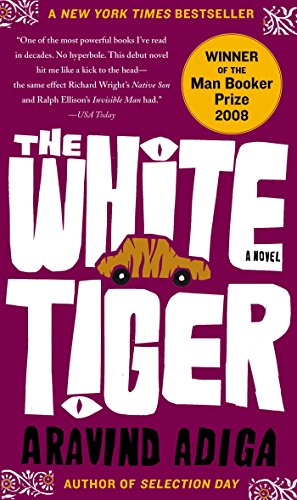
A stunning literary debut critics have likened to Richard Wright’s Native Son, The White Tiger follows a darkly comic Bangalore driver through the poverty and corruption of modern India’s caste society. “This is the authentic voice of the Third World, like you've never heard it before” (John Burdett, Bangkok 8).
The white tiger of this novel is Balram Halwai, a poor Indian villager whose great ambition leads him to the zenith of Indian business culture, the world of the Bangalore entrepreneur. On the occasion of the president of China’s impending trip to Bangalore, Balram writes a letter to him describing his transformation and his experience as driver and servant to a wealthy Indian family, which he thinks exemplifies the contradictions and complications of Indian society.
Recalling The Death of Vishnu and Bangkok 8 in ambition, scope, The White Tiger is narrative genius with a mischief and personality all its own. Amoral, irreverent, deeply endearing, and utterly contemporary, this novel is an international publishing sensation—and a startling, provocative debut.Winning the Man Booker prize is something that most authors dream of, although -- ironically -- the reputation of the prize itself was under siege a few years ago. Books that won the award were acquiring a reputation of being difficult and inaccessible, but those days appear to be over -- and unarguable proof may be found in the 2008 winner, The White Tiger by Aravind Adiga. Apart from its considerable literary merit, the novel is the most compelling of pageturners (in the old-fashioned sense of that phrase) and offers a picture of modern India that is as evocative as it is unflattering. The protagonist, too, is drawn in the most masterly of fashion.
Balram Halwai, the eponymous ‘white tiger’, is a diminutive, overweight ex-teashop worker who now earns his living as a chauffeur. But this is only one side of his protean personality; he deals in confidence scams, over-ambitious business promotions (built on the shakiest of foundations) and enjoys approaching life with a philosophical turn of mind. But is Balram also a murderer? We learn the answer as we devour these 500 odd pages. Born into an impoverished family, Balram is removed from school by his parents in order to earn money in a thankless job: shop employee. He is forced into banal, mind-numbing work. But Balram dreams of escaping -- and a chance arises when a well-heeled village landlord takes him on as a chauffeur for his son (although the duties involve transporting the latter's wife and two Pomeranian dogs). From the rich new perspective offered to him in this more interesting job, Balram discovers New Delhi, and a vision of the city changes his life forever. His learning curve is very steep, and he quickly comes to believe that the way to the top is by the most expedient means. And if that involves committing the odd crime of violence, he persuades himself that this is what successful people must do.
The story of the amoral protagonist at the centre of this fascinating narrative is, of course, what keeps the reader comprehensively gripped, but perhaps the real achievement of the book is in its picture of two Indias: the bleak, soul-destroying poverty of village life and the glittering prizes to be found in the big city. The book cleverly avoids fulfilling any of the expectations a potential reader might have -- except that of instructing and entertaining. The White Tiger will have many readers anxious to see what Adiga will do next. --Barry ForshawWinning the Man Booker prize is something that most authors dream of, although -- ironically -- the reputation of the prize itself was under siege a few years ago. Books that won the award were acquiring a reputation of being difficult and inaccessible, but those days appear to be over -- and unarguable proof may be found in the 2008 winner, The White Tiger by Aravind Adiga. Apart from its considerable literary merit, the novel is the most compelling of pageturners (in the old-fashioned sense of that phrase) and offers a picture of modern India that is as evocative as it is unflattering. The protagonist, too, is drawn in the most masterly of fashion.
Balram Halwai, the eponymous ‘white tiger’, is a diminutive, overweight ex-teashop worker who now earns his living as a chauffeur. But this is only one side of his protean personality; he deals in confidence scams, over-ambitious business promotions (built on the shakiest of foundations) and enjoys approaching life with a philosophical turn of mind. But is Balram also a murderer? We learn the answer as we devour these 500 odd pages. Born into an impoverished family, Balram is removed from school by his parents in order to earn money in a thankless job: shop employee. He is forced into banal, mind-numbing work. But Balram dreams of escaping -- and a chance arises when a well-heeled village landlord takes him on as a chauffeur for his son (although the duties involve transporting the latter's wife and two Pomeranian dogs). From the rich new perspective offered to him in this more interesting job, Balram discovers New Delhi, and a vision of the city changes his life forever. His learning curve is very steep, and he quickly comes to believe that the way to the top is by the most expedient means. And if that involves committing the odd crime of violence, he persuades himself that this is what successful people must do.
The story of the amoral protagonist at the centre of this fascinating narrative is, of course, what keeps the reader comprehensively gripped, but perhaps the real achievement of the book is in its picture of two Indias: the bleak, soul-destroying poverty of village life and the glittering prizes to be found in the big city. The book cleverly avoids fulfilling any of the expectations a potential reader might have -- except that of instructing and entertaining. The White Tiger will have many readers anxious to see what Adiga will do next. --Barry ForshawA stunning literary debut critics have likened to Richard Wright’s Native Son, The White Tiger follows a darkly comic Bangalore driver through the poverty and corruption of modern India’s caste society. “This is the authentic voice of the Third World, like you've never heard it before” (John Burdett, Bangkok 8).
The white tiger of this novel is Balram Halwai, a poor Indian villager whose great ambition leads him to the zenith of Indian business culture, the world of the Bangalore entrepreneur. On the occasion of the president of China’s impending trip to Bangalore, Balram writes a letter to him describing his transformation and his experience as driver and servant to a wealthy Indian family, which he thinks exemplifies the contradictions and complications of Indian society.
Recalling The Death of Vishnu and Bangkok 8 in ambition, scope, The White Tiger is narrative genius with a mischief and personality all its own. Amoral, irreverent, deeply endearing, and utterly contemporary, this novel is an international publishing sensation—and a startling, provocative debut.
